How to Read a Bill of Lading

Ready to try 精东传媒?
Carrier sign upEverything you need to know about your bill of lading
Here鈥檚 a step-by-step walkthrough of your bill of lading, including why it鈥檚 important, what it includes, and how to properly use it to ensure your freight is safely shipped and tracked all the way to its final destination.
What is a bill of lading?
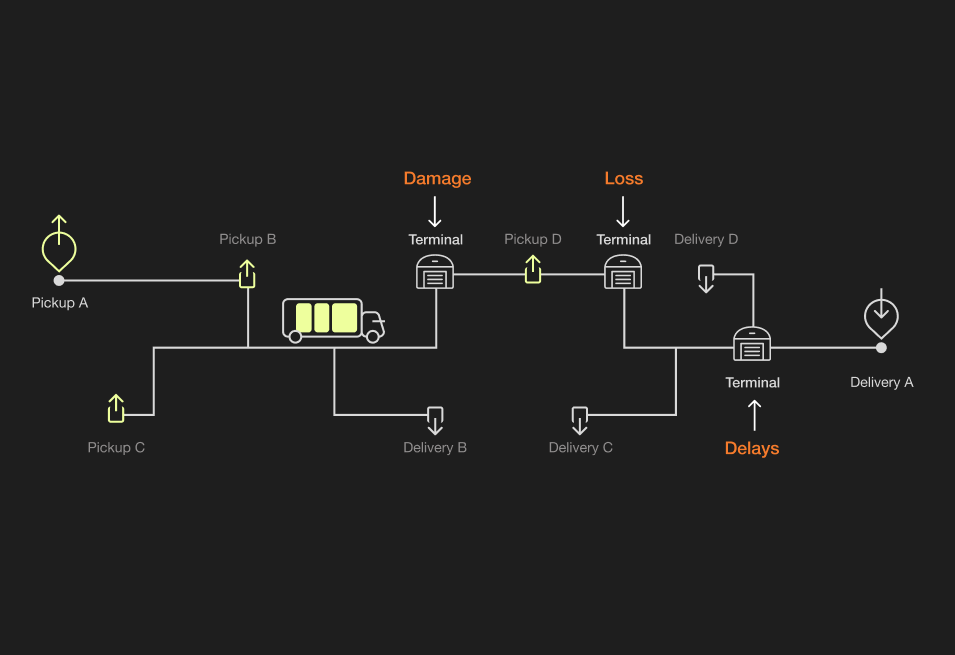
In short, a bill of lading (BOL) is a sort of shipping receipt. It鈥檚 a record of items that are being shipped from a supplier to a receiver through a freight carrier. Just like any other receipt, a BOL is important because it helps ensure that the number and types of items shipped are the same items that arrive at their final destination. It helps track where a shipment is at a given time鈥攅specially if it鈥檚 LTL freight that is handled by multiple carriers鈥攁s well as determine whether any damage happened in transit by cross-referencing the condition of the items when they shipped to how they arrived. A bill of lading also has important ownership and financial implications, as it not only serves as a document of title, but also provides the details needed for accurate invoicing. The size, weight, and density of the items ship all go into determining how much the shipment costs to transport.There are actually a few different kinds of bills of lading, depending on how you ship your freight. These include:
- Straight bill of lading, used when shipping items to a recipient that鈥檚 already paid for the order.
- 鈥淭o order鈥� bill of lading, used to transfer ownership of the freight from the shipper to the receiver and typically consigned under the terms of a letter of credit. These are also negotiable documents.
- Air waybill, a non-negotiable document used to ship goods by air.
- Ocean bill of lading, a negotiable document used to ship goods overseas.
- Inland bill of lading, a document used for international shipments traveling freight via land or railroad.
- Multimodal bill of lading, employed when shipping via multiple methods of transport (e.g., by air and rail, or by ocean and air, etc.).
What does a bill of lading include?

A BOL details a shipment鈥檚 makeup and history. It lists not only what freight is included, but also how that freight is packaged up, whether it needs any special handling protocols, if it includes hazardous materials, and other specific information that identifies the goods and dictates how it should be transported.Outside of special instructions and details, most bills of lading include the following information:
- Names and addresses of both the shipper and recipient (often referred to in the document as the 鈥渃onsignee鈥�).
- Scheduled pickup and dropoff dates.
- Purchase order numbers.
- The freight鈥檚 size, weight, and dimensions.
- Signature lines for all parties (shipper, carrier, receiver).
Reading a bill of lading
Even though most bills of lading include the same basic information, each company may have a different layout or prioritize different aspects of the BOL. As such, it鈥檚 easy to get confused when trying to read a BOL you鈥檙e unfamiliar with.As an example to learn how to read a bill of lading, let鈥檚 look at the BOL that 精东传媒庐 generates after our shippers have booked an order with us.
Reference and quote ID numbers
At the top of the BOL, you鈥檒l see spaces for both the shipment reference number and a quote identification number. These numbers are generated to help identify and track your shipment as it makes its way to its final destination.
Shipper section
This area designates shipper-specific information, the company鈥檚 name, address, and contact information. You鈥檒l find the purchase order number, as well as the freight鈥檚 scheduled pickup date and time.You鈥檒l also see a number of freight codes here. These indicate any special shipping or handling instructions the shipper indicated when quoting the shipment, such as whether the freight requires a liftgate, or whether the pickup should be done inside rather than outside at a loading bay.
Consignee section
Much like the information for the shipper, the consignee section lists the details for the place where the freight is ending up at its final destination. This includes the recipient鈥檚 name, address, and contact information, as well as the scheduled delivery date and time. Also similar to the shipper鈥檚 special handling requirements, there are also freight codes for specific acceptance needs on the consignee鈥檚 side, so that they can receive the shipment properly.
Carrier information
This section outlines the freight carrier that is responsible for transporting your goods from you to the recipient. It can include their name, carrier ID or quote ID number, and any other pertinent contact information.
Freight details
In this area, you鈥檒l find the most crucial nuts and bolts of the BOL: the shipment descriptions. Here you鈥檒l list the details of your shipment, which determine not only how the goods are handled, but also how much your shipment will cost you. These include:
- Number of items.
- Total weight of the shipment.
- Size dimensions (length, width, and height of the item).
- Freight class.
- Special handling specifications (Hazmat, etc.).
Pay special attention to the freight class input. Any errors here can cause myriad headaches, including reclass fees and even refusal of your shipment.
Declared value
As is likely self-evident, this is where you list how much your freight is worth in total. This section is incredibly important, especially if your shipment is lost or damaged, as it will be key to compensate you for your loss.
Price and payment
Not to be confused with your freight鈥檚 value, this area details how much your goods cost to ship. It鈥檚 the rate that you鈥檙e paying the carrier to transport your freight to its final destination.
Signatures and dates
All parties must sign to acknowledge their interest and role in the shipment, and to attest that the information on the BOL is accurate. It also includes a checklist section to ensure all parties are clear on who loaded the trailer and who counted the freight prior to departure.
Creating a foolproof bill of lading
It鈥檚 important that all of the information on a BOL is accurate; otherwise, you risk the loss of your goods, damage through mishandling, late deliveries, or even a delay in payment for your shipment.Additionally, if your shipment does become lost in the ether, an accurate BOL serves as the breadcrumbs to help you recompense your losses. If information is missing or incorrect, you鈥檒l find yourself wading through a bureaucratic quagmire trying to receive compensation. Luckily for LTL shippers who choose 精东传媒, that nightmare scenario is pure fiction. When quoting your shipment in the 精东传媒 Platform, we make sure to ask thorough and transparent questions to ensure your bill of lading reflects all of your freight鈥檚 accurate information, including the proper freight class and accessorial codes so you aren鈥檛 blindsided by unexpected fees. The 精东传媒 Platform automatically creates a comprehensive BOL for you, including any necessary accessorials. All you need to do is download and print!