Free Guided Freight RFP Template

Ready to try 精东传媒?
Carrier sign upRFPs, RFIs, RFQs鈥� there鈥檚 a lot to know about the various documents involved when it comes to moving your freight鈥攂ut don鈥檛 fret, in this article, we鈥檙e diving into everything you need to know about freight RFPs鈥攐r requests for proposal.In this freight RFP template, we:
- outline the eight key steps of the RFP framework
- dive into nine pieces of information to include in your RFP document
- offer some extra tips for getting the most out of your RFPs
What is an RFP?
Shippers use a freight RFP to request, evaluate, and secure contracts with providers, third party logistics (3PLs), and carriers. The RFP (and resulting contracts) cover various freight operations like a specific shipping lane or shipment size.With the ultimate goal of creating a mutually beneficial partnership, the questionnaire-style RFP document details the shipper鈥檚 needs and asks for information about the potential partner.Although variable based on the freight operation needed, shippers typically ask several vendors to submit RFPs and then select the top two or three with the best rates and service commitments.Read our article What is a freight and logistics RFP? to learn more about:
- the best time to send RFPs
- who in your organization should be responsible for them
- when to use an RFI or an RFQ instead of an RFP
- and more
The RFP framework
In order to create and manage a truly successful RFP process, there are eight key steps to follow. Within these steps, there are imperative pieces of information to include in your RFP document.
Step 1: Define the scope of needs
Potential partners need detailed information in order to determine if they feel working with you is a good fit for their needs and abilities and, if so, to provide an accurate pricing quote.
精东传媒 introduction
To start, gather some basic background information about your company, outlining:
- your products
- customer segments and insights
- other vendors you work with
- relevant competitors
- key team members and stakeholders
Business needs
Next, involve key decision makers and stakeholders to identify any overarching company goals鈥攖hen include these objectives in your RFP.
FLOCK TIP
It鈥檚 good practice to highlight the problems that need solving and let vendors showcase their insight and expertise by offering you ideas for solutions. You never know what unexpectedly beneficial ideas, tactics, or partnerships you may discover that way.
Step 2: Set evaluation criteria
Before you dive into finding companies to send your RFP to, don鈥檛 skip the crucial step of determining how you鈥檙e going to evaluate potential partners. Setting specific evaluation criteria ahead of time will help the decision-making process run smoother once you receive proposals.A few examples of initial questions you may want to ask yourself include:
- What are specific capabilities and qualifications you鈥檙e looking for?
- What are the minimum standards required for you to even consider a vendor?
- Will you give priority to companies you currently work (or have previously worked) with?
Next, set up very clear guidelines about what you either require or desire鈥攄etermining mandatory requirements and key performance indicators (KPIs) you鈥檒l use.
Mandatory requirements
What do you require from a freight shipping partner? Of course, you鈥檙e going to want to include the specific freight operation you鈥檙e writing this RFP about, such as a particular lane or shipment size.You may also be looking for things like:
- licensing or certifications
- insurance
- fleet and network size
- certain coverage areas
- technology used, such as EDI/API
- ESG (aka sustainability) requirements
KPIs
What do you ideally want to see from a freight shipping partner?Decide what matters most to your operation, and stick to roughly 2-3 KPIs that best represent those objectives. Selecting more than three can quickly become an overwhelming, time-consuming task.The three most common KPIs鈥攁nd the industry standard way of measuring them鈥攁re:1. Quality90% of orders should be 鈥榩erfect orders鈥欌�攎eaning it arrives on time, in full, with no issues or damages.2. On-time deliveryA minimum of 90% on-time delivery is typical. What does 鈥榦n time鈥� mean? That varies. Determine what鈥檚 best for your business, which could mean that the delivery falls:
- within a multi-day window
- on a specific date
- within certain hours on a specific date
Get specific about what works for you.3. Responsiveness.24-48 hour response times are reasonable expectations to hold. Working with communicative suppliers keeps stress low, customers informed, and profit healthy. You may want to factor into this measurement how quickly the partner:
- acknowledges new shipments
- accept or reject order changes
- informs you on unexpected delays
- generally answer questions
Additional KPI ideasWhile quality, on-time delivery, and responsiveness are the most common KPIs, your operation may have different needs. Consider prioritizing:
- safety ratings
- load rejection rate
- claims rate
- average dwell time
- average loading and unloading times
- time between tender and scheduling
- fuel efficiency
Yes, all of these things affect your business, but just remember to only stick to the 2-3 most important ones.
Step 3: Identify potential suppliers
Once you鈥檝e gathered information about what you鈥檙e looking for, you need to start getting an idea of who you鈥檙e looking for: potential partners.A great place to start is by looking at vendors you鈥檙e currently working with or with whom you鈥檝e (successfully) worked in the past. As the saying goes鈥� If it isn鈥檛 broken, don鈥檛 fix it, right? If it鈥檚 been going well, you may want to try to re-contract with companies you know you work well with. BUT make sure you aren鈥檛 missing out on better options by staying with something familiar. It鈥檚 worthwhile to at least look around because expanding your network of carriers not only introduces you to more contacts in the industry, it helps build your credibility.Next, do a little research around any referrals you鈥檝e received from trusted sources. If someone you trust likes them, they鈥檙e probably worth looking into.
FLOCK TIP
Use freight providers to your advantage when looking for new potential partnerships. At 精东传媒, we only work with vetted carriers, so you know they鈥檒l be reliable partners.
When creating your list of potential RFP recipients, it鈥檚 imperative to consider their:Background and experience
- Do they have trusted experience in the industry?
- What鈥檚 their experience handling needs similar to yours?
- Do they offer something unique, like shared truckloads?
Reputationand references
- Do you know anyone who has worked with them before?
- Can you find reviews online?
- Is there anything particularly good, interesting, or concerning about them that you should be aware of?
Step 5: Create the RFP document
Now that you鈥檝e determined your needs and found potential partners, it鈥檚 time to create the actual RFP document. Be sure to include the information you already determined around your:
- company introduction
- business needs, including sustainability
- mandatory requirements
- KPIs
Then move on to the following components:
Terms and conditions
There鈥檚 some logistical pieces of information that your RFP should clearly spell out, including:
- standard operating procedures (SOP)
- general terms and conditions (GTC)
- length of contract and contract terms
- payment and billing terms
- limits on what you鈥檙e comfortable with for things such as fuel surcharges and accessorials, like blind shipments and detention fees
Be sure to specify if any of these are negotiable.
Scope of work
In order to give potential partners an extremely deep and accurate look into what is being asked of the partnership, truly successful RFPs get into the weeds of the nitty gritty.Dive deep into details on:
- freight volume, weight, and dimensions
- freight classification and handling requirements such as fragility, perishability, etc.
- freight modes, including shared truckload (STL)
- special accessorial, loading and unloading, and equipment needs
- cargo types utilized
- declared values
- shipping frequency
- pickup, delivery, and lane zip codes
- known seasonality or variability
- delivery windows
- average pick-up wait times and detention times at destinations
- facility profiles, including hours
- historical costs and pricing structures for your freight (for comparison)
FLOCK TIP
Accessorial fees unexpectedly cost shippers $1,000s per year, so clearly and openly spelling out all of your accessorial needs now will help everyone involved avoid surprise fees鈥攁nd headaches鈥攍ater. Or avoid accessorials altogether with an accessorial-free alternative like our shared truckload shipping mode.
While it certainly takes time and effort to dig into this much information, getting very specific and open about your needs makes the process of finding鈥攐r eliminating鈥攃ompanies substantially easier for everyone involved. It also ensures companies that can鈥檛 meet your needs don鈥檛 waste their time bidding on something that isn鈥檛 going to work.It鈥檚 well worth the upfront time now to save you鈥攁nd them鈥攁 lot of effort later.
Key dates and deadlines
There are eight key dates to clearly list on your RFP. Being transparent with these dates helps potential partners avoid any confusion that could make them miss deadlines鈥攁nd you miss opportunities.The dates and deadlines to specify are when:
- the bid opens
- questions are due or a conference call is being held
- first rate submissions are due
- partners get feedback after first submission (if applicable)
- second rate submissions are due
- final negotiations will be made
- awardees are notified
- when the contract starts
Thoughtfully select these dates to give bidders proper time to put together a good proposal. Typically RFPs are sent 6-8 weeks before budget decisions need to be made, but what the ideal timing looks like between specific dates depends on how intricate the RFP is.
Submission process
Provide clear information about the bidding process in your RFP. Detail:
- submission requirements, including any documentation around the mandatory requirements outlined in step 2
- how to format responses
- how and where to submit any questions or feedback
To make the process smoother for you and the partner, include a single point of contact the partner can reach out to if they have questions or concerns. Sending a standardized bid template along with your RFP helps it easier to make more direct rate comparisons.
FLOCK TIP
Familiarizing yourself with what carriers consider before deciding to bid on an RFP can help inform you on better ways to communicate your needs. Take a look at our article for carriers, How to Bid on Freight Contracts, to see what goes on on their end of things.
Want more information before creating your RFP? Watch our Truckload RFP webinar with industry experts Todd LaFond and Justin Turner. In it, they share how:
- standard RFPs operate today
- you can get the most out of your RFPs
- 精东传媒鈥檚 Instant Prebate program is changing the way shippers contract TL rates
Step 6: Distribute the RFP
So you鈥檝e written up and properly formatted your full RFP. Now it鈥檚 time to send it out!Email your RFP鈥攁nd bid template, if you have one鈥攖o the potential partners you decided upon. Or, if you鈥檙e using one, send it to them through your RFP management software.Then wait for companies to review it and respond with their bid by your specified submission deadline.
Step 7: Select your supplier(s)
Once you鈥檝e got some bids, it鈥檚 time to put those evaluation criteria you set to work and compare your options.When reviewing proposals, the first step is to eliminate any potential partners who did not meet your mandatory requirements. If they don't even meet those, they aren鈥檛 going to be a good match.The next step is to see who best met your identified KPIs. You鈥檒l want to determine if you鈥檇 prefer they:
- hit all of your KPIs with the highest overall average
- don鈥檛 hit all of your KPIs but excelled in other important areas
FLOCK TIP
You can absolutely select multiple partners so you aren鈥檛 left without a carrier if something goes wrong. We actually recommend that for your most important, high-volume lanes or common operations.
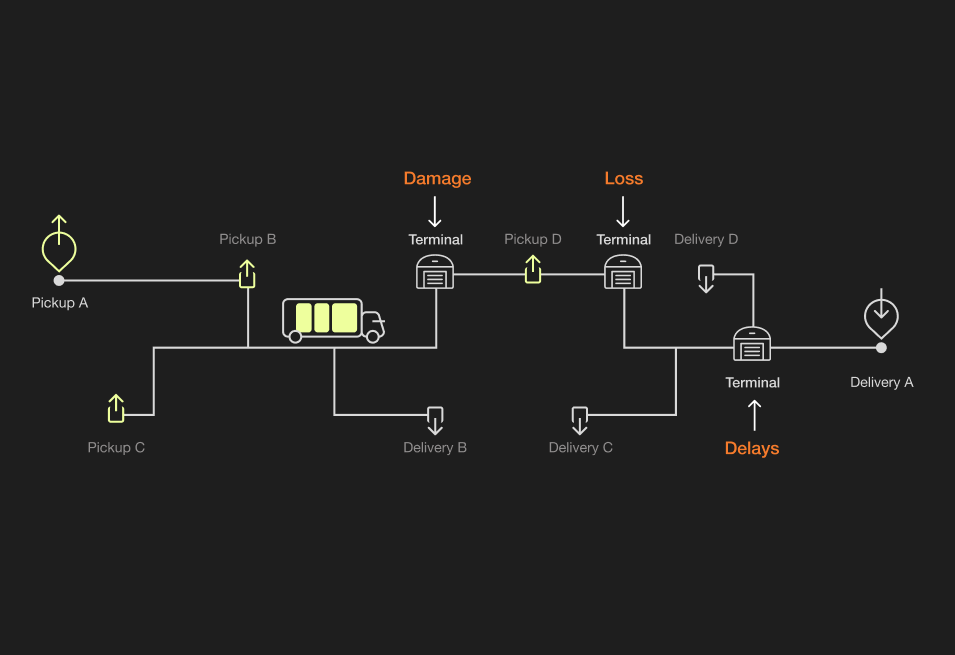
Consider, but don鈥檛 focus solely on price. A cheap vendor could end up costing you鈥攁nd alternatively, a more expensive supplier could end up saving you鈥攁 lot in terms of damage, loss, delays, unhappy customers, and more. Don鈥檛 forget to negotiate! This should be a mutually beneficial arrangement, so come to an agreement both parties like.
FLOCK TIP
Before you do a final sign-off and award a supplier, ensure that expectations and rates are truly final. Carriers and other vendors often make bids based on contingencies, and with a market where things change quickly, you want to be sure you鈥檙e locking into something you鈥檙e comfortable with.
Step 8: Monitor success
Your work doesn鈥檛 end once you鈥檝e agreed upon a supplier or few. To protect your profit, it鈥檚 important to monitor the success of the partnership. Ensure your new partner is doing what they said they would. Schedule follow-up evaluations to confirm that they are meeting whatever requirements you outlined in the RFP. Some questions to consider include:
- Are they meeting specific, agreed-upon goals and addressing the problems outlined?
- Are they staying within limits you set on things like fuel surcharges and accessorials?
Keep in mind that this should be a mutually beneficial partnership, and setting actionable goals and clearly communicating them is important for maintaining a healthy partnership.Remember the KPIs you outlined? Record this data using standardized metrics to help you more easily evaluate, and compare, all of your vendors. Keep track of the information on a supplier scorecard that you either manually keep in a spreadsheet or manage with specific software.
FLOCK TIP
While you鈥檒l want to, of course, include quantitative KPI data on the scorecard, you should also consider keeping qualitative data, such as anecdotes and reviews. Yes, you鈥檙e running a business, but we鈥檙e all human here, and working with pleasant people can make the everyday challenges of business a lot easier.
Plus, if you鈥檙e ever in the position of needing to decide between two vendors and their quantitative KPIs are similar, positive real-life encounters may end up being the determining factor.If mid-way through the year, you realize a KPI you鈥檝e chosen to look at isn鈥檛 all that helpful, don鈥檛 be afraid to adjust, remove, or replace it. Don鈥檛 change your KPIs too often, but do make sure what you鈥檙e looking at is appropriate.
Ready to implement this freight RFP template?
Smartly navigating each step of the RFP process is crucial for selecting the best partners to meet your shipping needs鈥攚hich ultimately keeps your business running smoothly and driving profit. We hope this shipping RFP template helps you feel more confident going through each of the RFP framework鈥檚 phases and their accompanying documentation needs.Want to make sure you鈥檙e getting the most out of your partnerships and operation as a whole? Book a call with 精东传媒.Not only will we create your RFP with you鈥攚orking together through each step of this freight RFP template, we鈥檒l also analyze your shipping history to see exactly how our one-of-a-kind 贵濒辞肠办顿颈谤别肠迟庐 mode can save you money and boost your efficiency. It鈥檚 a truly unrivaled business-expanding opportunity.